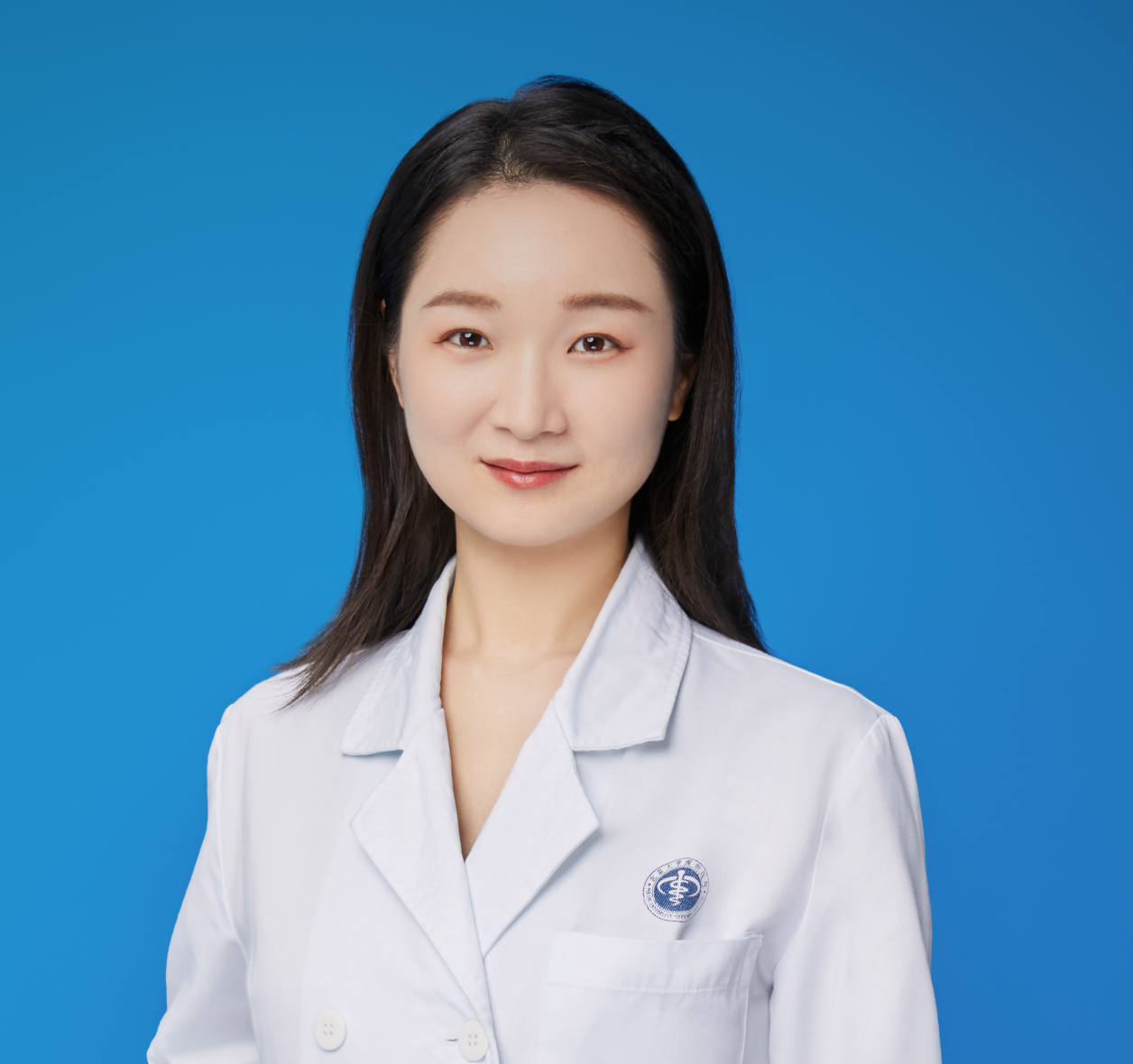
吴尚英
主管技师
3
项目
姓名Name
吴尚英
性别Gender
女
Female
民族Ethnicity
汉族
导师层次Mentor Level
硕士生导师
职称Title
主管技师
Supervisor Technologist
导师类型Mentor Type
专业型导师
最高学历Education
研究生
博士研究生
最高学位Degree
博士
行政职务Position
无
联系邮箱Email
wu_shangying@163.com
工作单位Workplace
北京大学深圳医院
招生专业Major
105120临床检验诊断学(专业学位)
个人简介
博士,现为北京大学深圳医院检验科主管技师。汕头大学医学院硕士生导师。2014年毕业于中山大学预防医学专业获医学学士学位,2018年毕业于香港中文大学生物医学专业获哲学博士学位。先后于香港中文大学从事博士后研究工作及中国科学院深圳先进技术研究院助理研究员研究工作。
深圳市卫生健康菁英人才,深圳市海外高层次人才孔雀计划,福田英才。现任广东省肝脏病学会检验分会委员、深圳市医院协会检验医学分会委员和深圳市分析测试协会委员。
从事检验医学的临床、教学和科研工作,研究方向关注小分子代谢物的质谱检测和疾病代谢机制。主持国家自然科学基金青年项目、广东省基础与应用基础联合基金-青年项目和广东省医学科学技术研究基金项目。近年来在相关领域以第一/通讯作者在Stem Cells、Frontiers in Endocrinology 等SCI 期刊发表多篇论文。
研究方向
1. 糖尿病及MASLD的临床检验数据挖掘与风险预测
2. 维生素、新型脂质-炎症-糖代谢指标与糖尿病并发症研究
3. 胰腺β细胞再生、胰腺祖细胞分化及代谢组学机制研究
国内外学术兼职
暂无信息
研究领域
1. 代谢性疾病
2. 检验医学
承担课题
1. 国家自然科学基金青年项目,“SIRT1通过自噬抑制NOTCH信号通路影响人胰腺祖细胞分化的功能和机制研究”,82000739,30万,主持
2. 广东省基础与应用基础联合基金青年项目,“SIRT1对人胰岛祖细胞分化调控及移植应用潜能的研究”,2019A1515110128,10万,主持
3. 广东省医学科学技术研究基金,“SOX9通过脂肪酸氧化调控氧化还原状态参与人胰腺祖细胞分化的作用机制研究 ”,A2024424,1万,主持
代表性论文
[1] XIA Yuhao, YANG Qiannan, LI Qian Li, WEN Jiahao, LI Mingyang, WU Zhicheng, NIE Liping, HUANG Zhong, WU Shang Ying*, and DU Jing*. Metallothionein-1 mitigates the advancement of osteoarthritis by regulating Th17/Treg balance. Cellular Immunology 405 (2024): 104877.
[2] YE, Yinghui, LUO Yulou, GUO Tong, ZHANG Chenguang, SUN Yutian, XU Anping, JI Ling, OU Jianghua, and WU Shang Ying. Leveraging senescence-oxidative stress co-relation to predict prognosis and drug sensitivity in breast invasive carcinoma. Frontiers in Endocrinology 14 (2023): 1179050.
[3] YANG Bao Chen, SONG Wencong, WENG Zhihui, YANG Zhiyuan, XU Jian, GUAN Min, JI Ling, LEUNG Po Sing and WU Shang Ying. SIRT1 activation-induced autophagy enhances the differentiation of human pancreatic progenitor cells into islet-like cell clusters via NOTCH1 signaling. Submitted to Stem Cell Reports.
[4] WU Shang Ying, LAO Zeji, JI Ling, XIA Yong. Development and Validation of a Predictive Nomogram for Distinguishing Malignant from Benign Focal Hepatic Lesions: A Retrospective Study in a Chinese Cohort. Submitted to Journal of Clinical and Translational Hepatology.
[5] WU Shang Ying, LIANG Juan, YANG Bao Chen and LEUNG Po Sing. SIRT1 Activation Promotes β‐Cell Regeneration by Activating Endocrine Progenitor Cells via AMPK Signaling‐Mediated Fatty Acid Oxidation. Stem Cells, 2019, 37.11: 1416-1428.
[6] YANG Zhiyuan, HOU jingpao, MU Mingdao, WU Shang Ying. Subtractive proteomics and systems biology analysis revealed novel drug targets in Mycoplasma genitalium strain G37. Microbial Pathogenesis, 2020, 104231.
[7] LI Songjun, LI Hongwen Li, KONG Haiying, WU Shang Ying, CHENG Chak Kwong, and XU Jian. Endogenous and microbial biomarkers for periodontitis and type 2 diabetes mellitus. Frontiers in Endocrinology 14 (2023): 1292596.
[8] XIA Yuhao, YANG Qiannan, WU Shang Ying, WU Zhicheng, LI Qian, and DU Jing. Interferon lambda modulates proinflammatory cytokines production in PBMCs from patients with chronic kidney disease. Human Immunology 84, no. 9 (2023): 464-470.
[9] YANG Bao Chen, WU Shang Ying and LEUNG Po Sing. Alcohol ingestion induces pancreatic islet dysfunction and apoptosis via mediation of FGF21 resistance. Annals of Translational Medicine, 2020, 8.6.
[10] LI Xing Yu, WU Shang Ying and LEUNG Po Sing. Human Fetal Bone Marrow-Derived Mesenchymal Stem Cells Promote the Proliferation and Differentiation of Pancreatic Progenitor Cells and the Engraftment Function of Islet-Like Cell Clusters. International journal of molecular sciences, 2019, 20.17: 4083.
[11] ZHANG Dan, SO Wing Yan, WANG Yi, WU Shang Ying, CHENG Qianni and LEUNG Po Sing. Insulinotropic effects of GPR120 agonists are altered in obese diabetic and obese non-diabetic states. Clinical Science, 2017, 131.3: 247-260.
[12] LIANG Juan, WU Shang Ying, ZHANG Dan, WANG Lin and LEUNG Po Sing. NADPH oxidase-dependent reactive oxygen species stimulate β-cell regeneration through differentiation of endocrine progenitors in murine pancreas. Antioxidants & Redox Signaling, 2016, 24.8: 419-433.
[13] XU Anping, LI Mingyang, YE Yinghui, LI Liping, MA Minjing, WU Shang Ying, and JI Ling. Mutational spectrum of HBD gene in the Chinese population: Description of 36 mutations including 11 novel variants. International Journal of Laboratory Hematology 45, no. 6 (2023): 961-968.
代表性著作
暂无信息
教学获奖
暂无信息
个人荣誉
1. 深圳市卫生健康菁英人才 2024年
2. 福田英才 2022年
3. 深圳市海外高层次人才 2020年
4. 香港特别行政区政府奖学金-外展体验奖 2018年
科研获奖
暂无信息
其他成果
暂无信息